Charting a path forward: Considerations when drafting a membership code


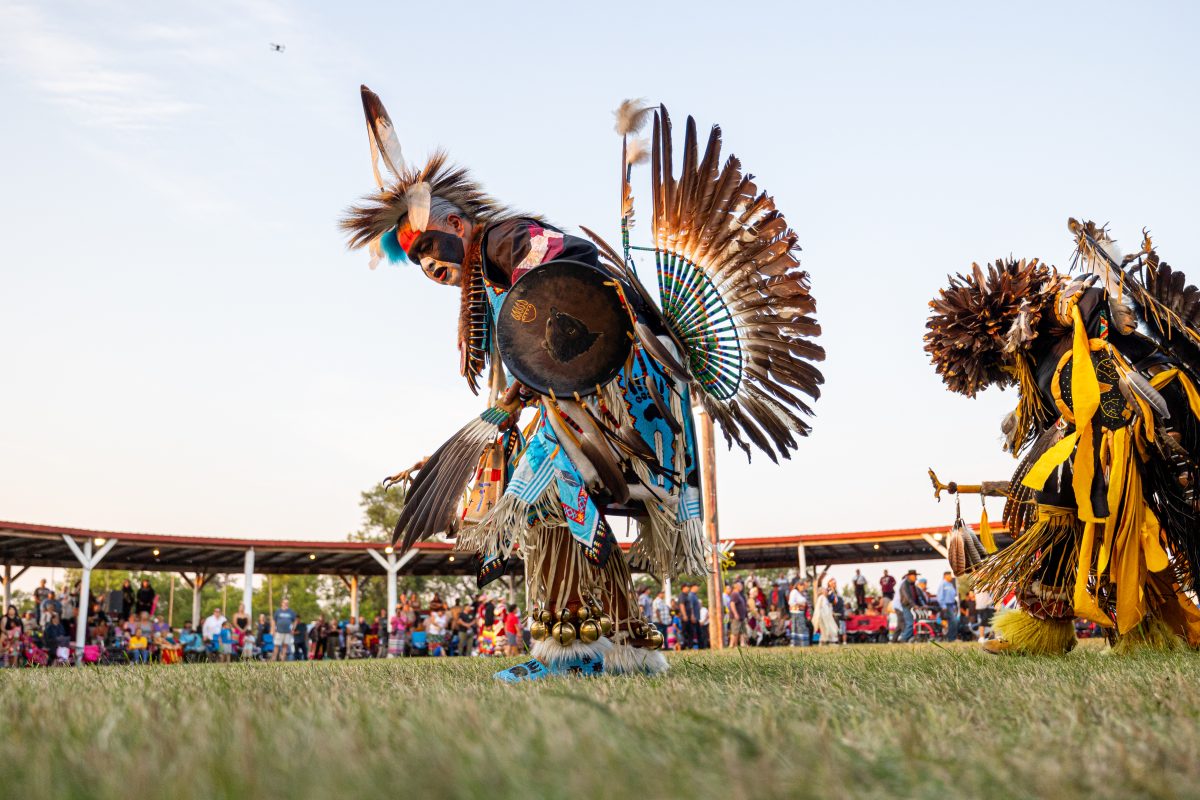
First Nations have the ability to create their own system for determining who is, and who is not, a member of their Nation, separate and distinct from the systems established under the Indian Act. They can do this by drafting their own membership code, with the code generally setting out, among other things, who is eligible for membership in the First Nation, how membership in the First Nation can be renounced or revoked, how to apply for membership in the First Nation and how to appeal decisions relating to membership.
Membership models
When drafting a membership code, one of the most significant questions is how does someone become a member of the community? Often, the response to this question is by birth (i.e. an individual acquires membership as a result of their parents or where they were born). However, the concept of membership has been defined in various ways across different societies.
There are three main common models for defining membership in a community which a First Nation may take into consideration when drafting their own membership code:
- the ethnic model, which bases eligibility for membership on ancestral lineage;
- the civic model, which bases eligibility for membership on participation in the community and adherence to the community’s values and principles; and
- the residency model, which bases eligibility for membership on physical presence within the community.
The ethnic model is primarily based on shared ancestry, culture and heritage, while the civic model is grounded in a commitment to shared political values and participation in the community. The residency model is focused on integration into society and presence within the community.
Historically, the membership laws of Indigenous peoples were inclusive in nature and based on the civic model of citizenship, as this contributed to the group’s strength and intersocial relationships with others. Band membership was fluid, flexible and inclusive, and served to strengthen social, economic and military alliances with other bands of similar cultural origins.
Conversely, the federal government’s proxy for Indigenous identity in Canada (i.e. eligibility for Indian status) was founded on and continues to reflect an ethnic model of citizenship. After the introduction of the colonial practice of categorizing Indigenous peoples as members of First Nations based on ethnic origin, many Indigenous communities adopted and internalized this exclusive model through their membership codes and practices.
Each membership model – ethnic, civic and residency – offers unique advantages and challenges for a First Nation as it considers its own membership system. What membership model, and how membership is acquired within a community, will depend on the individual circumstances and values of a First Nation.
Additional considerations
Avoid perpetuating historical discrimination.
As noted in our previous article in this series, membership codes that incorporated outdated Indian Act concepts may unintentionally continue historical discrimination, particularly discrimination stemming from the former treatment of women and their descendants. When reviewing or drafting a membership code, First Nations should carefully consider whether any eligibility criteria continue to disadvantage those individuals who lost status or band membership because of discriminatory provisions that have since been declared unconstitutional.
Grandfathering existing members requires careful drafting.
Many First Nations seek to protect the acquired rights of existing members when adopting a new membership code. However, as demonstrated in Bird v Canada (Indigenous Services), grandfathering provisions can create different classes of members or applicants. In that case, the Federal Court upheld most of Canoe Lake Cree First Nation’s (“Canoe Lake”) new citizenship law, finding that requiring individuals who were excluded under the old membership code to apply for citizenship was not, by itself, discriminatory.
Nations should carefully assess whether distinctions between existing members and new applicants are necessary, how they are justified and whether they create unintended inequities. A distinction may be lawful, but it should have a clear purpose and be connected to the Nation’s objectives.
Consider whether transitional restrictions are necessary.
The Federal Court accepted in Bird that a First Nation may establish an application process and even a transitional or reintegration process for new members. However, it found that Canoe Lake’s automatic five-year restriction on certain membership rights was unconstitutional as it perpetuated historical sex-based discrimination.
Where a Nation wishes to impose probationary periods, it should carefully consider:
- why the restriction is necessary;
- whether the objective could be achieved by less restrictive means; and
- whether the restriction disproportionately affects individuals who were previously excluded from membership.
Align membership requirements with community objectives.
The Federal Court in Bird recognized that First Nations may legitimately pursue objectives such as:
- preserving culture, language and traditions;
- strengthening community connections;
- supporting reintegration of individuals reconnecting with the Nation; and
- ensuring community resources are managed responsibly.
Membership provisions should clearly connect eligibility criteria and application requirements to these objectives. The stronger the connection, the more likely the provisions will withstand challenge.
Ensure procedures are fair and transparent.
Membership decisions are often deeply personal and can have significant consequences. Clear procedures help protect both applicants and the Nation. Transparent decision-making can reduce disputes and strengthen confidence in the membership process.
Build flexibility into the code.
Membership laws should be drafted with future legal developments in mind. Rather than relying on static references to specific provisions of the Indian Act, First Nations may wish to develop criteria based on their own traditions, customs, values and community objectives. This may help avoid the need for repeated amendments when federal legislation changes.
Moving forward
Going forward, if a First Nation is interested in drafting and/or updating an existing membership code, we recommend that the Nation engage with its members to review and implement its fundamental goals and directions insofar as band membership is concerned. This review and implementation process could include:
- Working with Elders to identify membership criteria and any relevant customs and traditions that should be incorporated into the First Nation’s membership code;
- Carrying out a technical review of the membership code to ensure that the provisions in the code properly and accurately put into effect the First Nation’s goals and objectives and to ensure the code will, to the greatest extent possible, withstand future legal challenges;
- Engaging with the Government of Canada to discuss whether there is an opportunity to pursue a system of mutual recognition of jurisdiction and an acknowledgment by Canada of the First Nation’s customary practices regarding membership; and
- Canvassing with other First Nations regarding their proposed approaches for dealing with membership and whether there are any opportunities for collaboration.
Key takeaways
Membership is about more than eligibility criteria – it is about identity, belonging and the future of a First Nation. While every First Nation’s approach will be unique, a well-designed membership code should reflect the First Nation’s values, support self-determination and comply with applicable legal requirements.
Whether a First Nation is developing its first membership code or updating an existing one, careful planning and community engagement can help ensure its membership law remains fair, effective and responsive to future generations.
MLT Aikins regularly advises First Nations on governance initiatives, including membership and citizenship laws. If your Nation is considering developing or revising a membership code, a member of our Indigenous practice area would be pleased to assist.
Read the other articles in this three-part series:
- Indian status versus Band membership: What is the difference?
- Constitutionality of First Nation membership codes
Note: This article is of a general nature only and is not exhaustive of all possible legal rights or remedies. In addition, laws may change over time and should be interpreted only in the context of particular circumstances such that these materials are not intended to be relied upon or taken as legal advice or opinion. Readers should consult a legal professional for specific advice in any particular situation.
Share
Related Insights