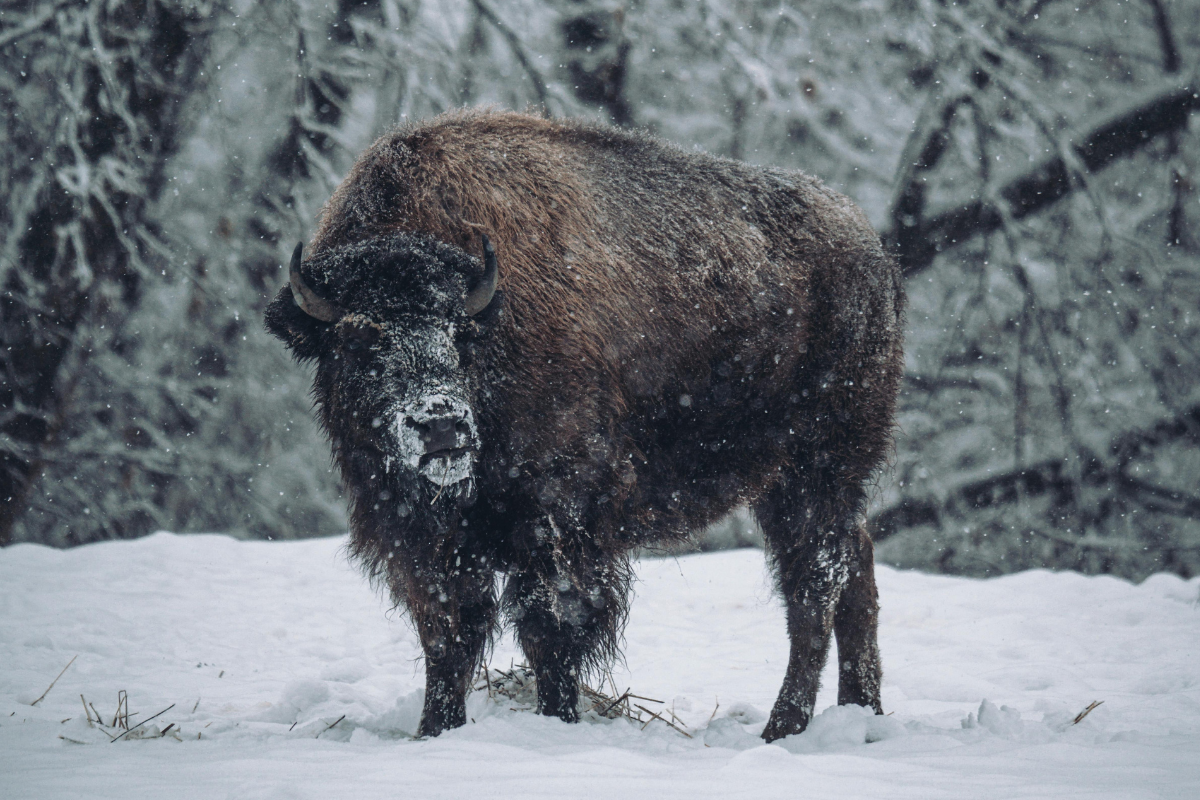
After nearly 120 years, bison have finally returned to Willow Lake Métis Nation (WLMN).
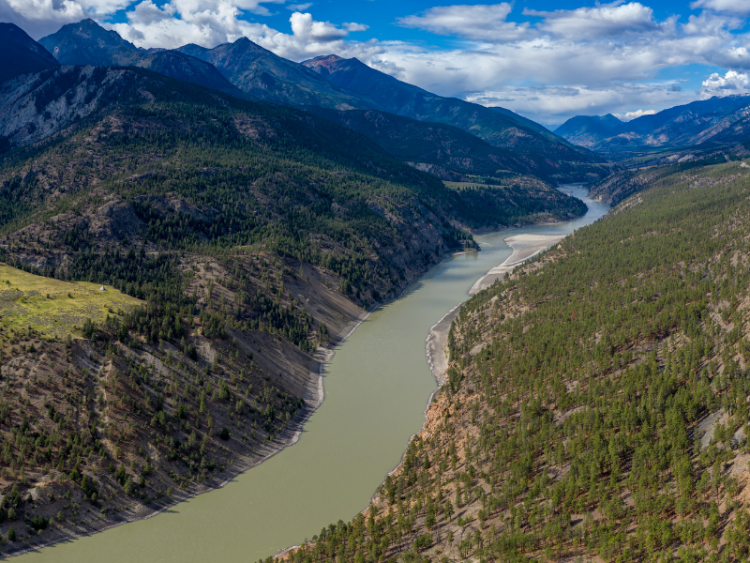
In a historic moment for the Northern Alberta Métis community, 20 wood bison have returned to the boreal forest under the stewardship of Willow Lake Métis Farms, a community-first project dedicated to building toward a sustainable year-round agricultural future that’s rooted in Métis heritage. The introduction of bison back to the area opens up the potential for natural terraforming, ideally transforming the swampy muskeg over time into more nutrient-rich prairie land thanks to the aerating effect of the bison’s hooves.
“[These bison are] a really valuable start to our agriculture and tourism business, as well as helping to achieve sovereignty, which is being able to influence your environment,” said Matthew Michetti, government and industry relations lead for the community.
MLT Aikins is proud to have been party to realizing this significant achievement, having advised WLMN on both the land purchase and initial setup of Willow Lake Métis Farms in a transaction led by Billie Fortier and Bradley Allen. “We are so thrilled for Willow Lake Métis Nation and its members,” said Fortier. “Bringing the bison back to their traditional lands is a powerful example of Métis resiliency. This is an exciting step along the road toward food security and self-determination for the community.”
“Having bison back on our traditional territories is amazing,” says WLMN President Stella Lavallee. “I heard my mom, my kôhkom and my mother’s kôhkom tell stories about how it was back in the day with the bison here. Knowing these stories and being able to hear what my great-great-grandparents heard when the bison are back running on the land will be amazing.”
The newly introduced herd, which is predicted to grow over time, represent just one piece of WLMN’s $50-million food sustainability plan, which will include hens, honeybees, greenhouses, hydroponics and community gardens. Willow Lake Métis Farms is slated for its grand opening in spring 2026, with the cultivation of traditional farmlands, cultural events and educational programming to follow in later phases of development.
Share