Bill to expand government control of immigration and border security reaches the third reading at the senate



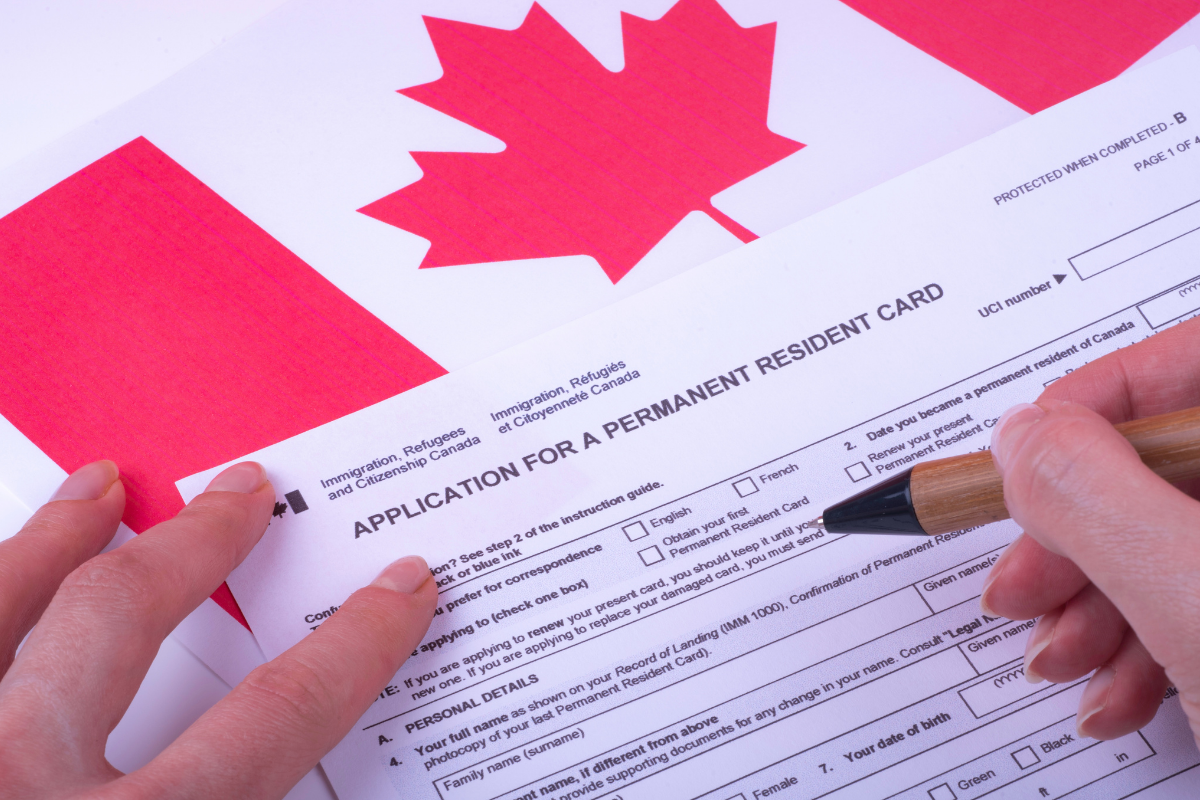
On October 8, 2025, Bill C-12, the Strengthening Canada’s Immigration System and Borders Act (the “Bill”) was introduced. The Bill received Royal Assent on March 27, 2026, and certain provisions have now come into force, creating significant changes to the immigration landscape that employers should be aware of.
Increased information sharing
Of particular note, the Bill will expand the way Immigration, Refugees, and Citizenship Canada (“IRCC”) shares client information between its programs. With this change, subject to any regulations, the Minister of Citizenship and Immigration can disclose personal information about individuals within its department. It allows IRCC to share information with other federal and provincial government entities. This includes information pertaining to an individual’s status in Canada, their identity, and the content and status of immigration documents that were issued by the Minister of Citizenship and Immigration.
Expanded government control over immigration documents and applications
The Bill makes changes to the Immigration and Refugee Protection Act (“IRPA”). The Bill creates the authority for regulations to be drafted to codify the circumstances in which an officer may terminate the processing of an application for a visa or other document. Furthermore, Bill C-12 also allows for regulations to be drafted that will outline in what circumstances an officer can cancel, suspend, or vary a visa or other documents.
The Bill provides significant powers for the Governor in Council to make an order to cancel, suspend, or vary documents including permanent resident cards, permanent resident visas, temporary resident visas, temporary resident permits, electronic travel authorizations, study permits, or work permits (the “Document”) issued under IRPA if the Governor in Council believes it is in the public interest to do so. The Governor in Council can also impose or vary conditions, if they believe it is in the public interest to do so. Circumstances determined to be in the public interest are defined as circumstances that are addressing matters such as fraud, administrative errors, public safety, public health, or national security.
The Governor in Council can make regulations pertaining to the circumstances when officers can terminate the processing of applications under IRPA and when a document issued under IRPA can be cancelled, suspended, or changed. Documents can be changed by imposing or varying conditions that are placed on the Document, including conditions that are imposed under another provision, regulation, requirement, or in relation to complying with a provision, that is imposed under a different Act of Parliament.
Key takeaway for employers
Upon the Bill coming into force, the biggest impact on employers will be the implications that may arise from the Governor in Council’s ability to make an order that certain Documents be cancelled, suspended, or varied. Under the expanded powers, Documents can be quickly suspended, varied, or even terminated in bulk.
Moreover, employers will likely be impacted when the regulations are released and the public becomes aware of what circumstances an officer can suspend, cancel, and vary a visa or other document or terminate the processing of an application for a visa or other document.
Currently, there are likely impacts that the Bill will have on employers due to the Bill’s seemingly unilateral expansion of governmental powers. The Bill could result in longer processing times as a number of immigration streams could be impacted and halted when being met with mass cancellations and suspensions of Documents.
Furthermore, the Bill’s changes could lead to an immediate loss of status for employees. For example, a worker could suddenly have their application or Document cancelled, changed, or suspended, forcing the employer to lose that employee immediately. If an employer does not diversify its workforce, it runs the risk of losing many employees if they are all part of the same category that experiences the bulk cancellation or suspension. This would result in the employer’s workforce being greatly impacted. As the Documents would be cancelled or suspended immediately, employers would not have time to plan or replace the lost employees.
The Bill also provides further value for an employer to support its employees permanent residency applications, as employees with permanent residency would not fall victim to work permit cancellations or suspensions.
Additionally, the Bill’s increased information sharing regime may impact employers as it will allow IRCC to share information with other federal and provincial government entities pertaining to their employees’ status in Canada, their identity, and the content and status of immigration documents that were issued by the Minister of Citizenship and Immigration. This may result in an expansion in regulatory investigations and compliance concerns.
As the immigration system grows more complex, it more important now than ever that employers seek competent counsel.
The MLT Aikins Immigration team will continue monitoring the Bill and will follow up with any updates – please feel free to reach out with any related concerns or questions about the immigration process.
Note: This article is of a general nature only and is not exhaustive of all possible legal rights or remedies. In addition, laws may change over time and should be interpreted only in the context of particular circumstances such that these materials are not intended to be relied upon or taken as legal advice or opinion. Readers should consult a legal professional for specific advice in any particular situation.
Share
Related Insights
IRCC announces changes to express entry bonus points to reward high-wage occupations