NAV CANADA’s RPAS market study and Transport Canada updates


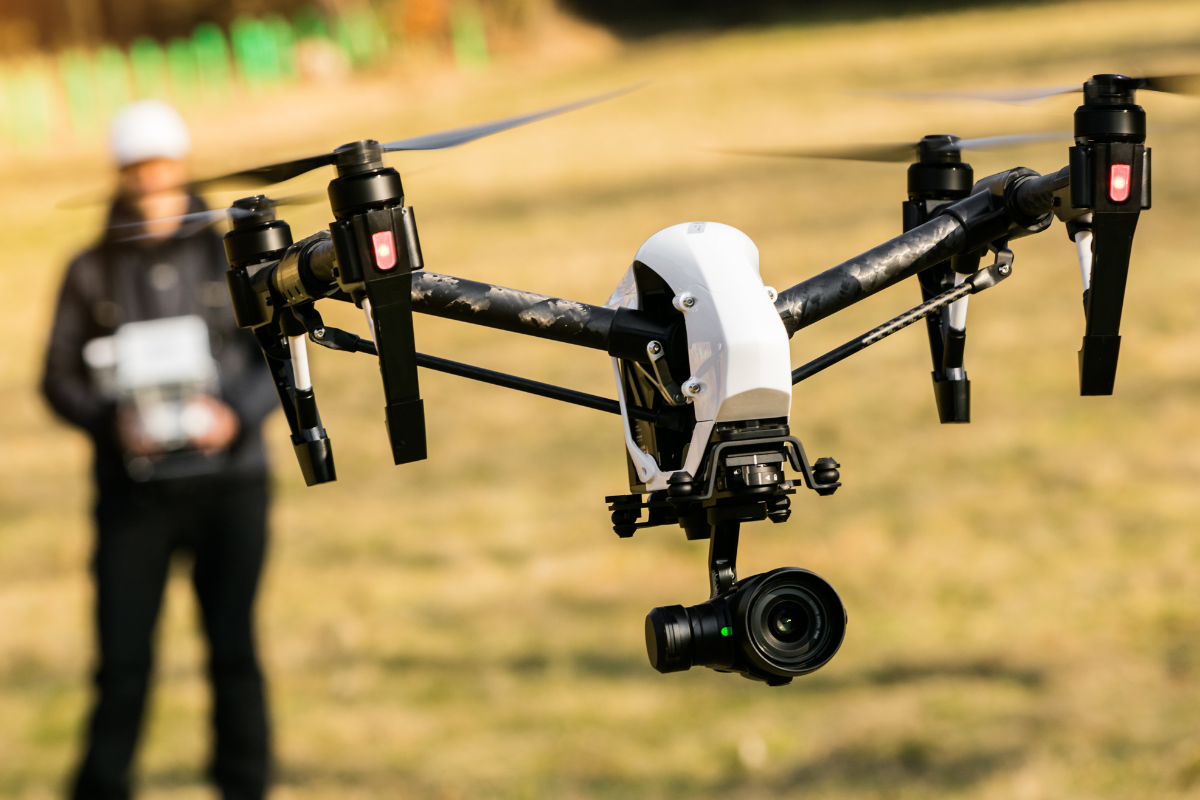
Canada is entering a pivotal phase in the evolution of commercial drone use. Recent federal defence industrial strategy announcements, NAV CANADA’s RPAS and Advanced Air Mobility (AAM) market analysis and a series of Transport Canada regulatory updates collectively signal that drone operations are moving to true scalable deployment.
For organizations across energy, construction, infrastructure, logistics, public safety, agriculture and environmental services, the opportunity is significant. Drones are becoming a driver of operational efficiency, new service lines and revenue growth. At the same time, the regulatory environment is maturing quickly, with a clear shift toward standardized, auditable and integration‑focused oversight.
NAV CANADA’s RPAS and Advanced Air Mobility Market Sizing and Economic Impact study underscores this trajectory, projecting substantial growth in high‑volume, BVLOS‑enabled operations and a future where drones operate as routine users of managed airspace.
Against this backdrop, compliance alone is no longer enough. Operational readiness and airspace integration are becoming business‑critical considerations. Below are the key developments shaping this landscape and what organizations should be doing now to prepare.
Aircraft matters: Safety assurance declarations under Standard 922
Transport Canada has confirmed that RPAS used for Advanced Operations and Level 1 Complex (L1C) Operations must be supported by a Safety Assurance Declaration under Standard 922. If an aircraft does not have an accepted declaration, it cannot be used for higher‑risk operations. For organizations operating fleets, this reinforces the need for early coordination between procurement, operations and regulatory planning.
BVLOS reality check: Obstacle avoidance is not detect and avoid
Obstacle avoidance systems do not satisfy Detect and Avoid (DAA) requirements for BVLOS operations. DAA focuses on avoiding other aircraft, not stationary obstacles. Operators should align systems and CONOPS with Advisory Circular AC 922‑001.
Flight Reviewers and training capacity
Transport Canada provides Flight Reviewer eligibility requirements for Advanced and Complex Operations.
After the regulatory updates, Transport Canada has indicated that flight school curricula must now include training on both Standard 922 – Safety Assurance and Standard 923 – Vision‑Based Detect and Avoid.
AIM 2026: RPAS as routine airspace users
The Transport Canada Aeronautical Information Manual (AIM 2026‑1) came into effect on March 19, 2026. While written for all airspace users, it increasingly reflects how RPAS are expected to integrate with crewed aviation, particularly in or near controlled airspace.
Key RPAS updates appear in Section 3.4 – Advanced and Level 1 Complex Operations and Section 3.5 – Flight Reviewers.
Counter-drone technology
Recent amendments to the Aeronautics Act (Bill C‑15) strengthen the federal framework governing counter‑drone technologies, allowing Transport Canada to authorize interference with RPAS in defined circumstances while maintaining a general prohibition on interference.
How we can help
MLT Aikins advises organizations across aviation, infrastructure, energy, public sector and technology on drone and advanced air mobility strategy. Our Aviation, Drones and AAM team helps clients:
- Interpret and apply legal and regulatory frameworks within commercial contexts
- Structure scalable, compliant drone programs
- Advise on comprehensive risk management plans for VLOS, BVLOS and complex operations
Note: This article is of a general nature only and is not exhaustive of all possible legal rights or remedies. In addition, laws may change over time and should be interpreted only in the context of particular circumstances such that these materials are not intended to be relied upon or taken as legal advice or opinion. Readers should consult a legal professional for specific advice in any particular situation.