Federal Government announces its 2027–2029 Immigration Levels Plan


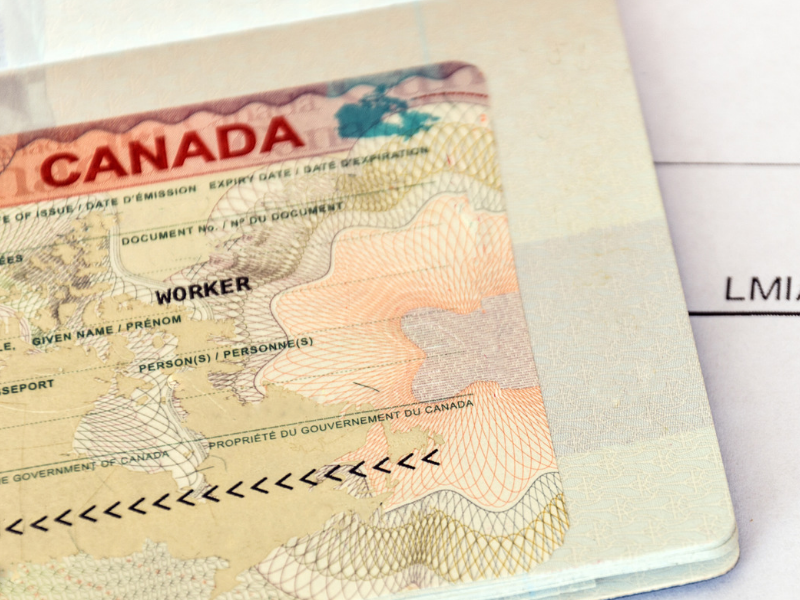
On November 5, 2026, the Federal government released its new Immigration Levels Plan (the Plan), covering Canada’s immigration landscape for 2027–2029.
In broad strokes, the Plan holds permanent and temporary resident targets steady and adds a new time-limited measure to move people already living in Canada to permanent residence. Further, the Plan sets a target of 380,000 permanent resident admissions and 370,000 new temporary resident arrivals each year within the 2027–2029 time period. The government describes these targets as consistent with last year’s plan.
The government frames the Plan as building on its progress in slowing population growth. Its stated goals include keeping permanent resident admissions below 1% of the population beyond 2027 and reducing the temporary resident population. Finally, it indicates education, healthcare, construction, AI and digital innovation, defence, energy and critical minerals as priority sectors to target foreign skilled workers.
Temporary resident targets
The Plan sets a target of 370,000 new temporary resident arrivals per year, within a range of 355,000 to 385,000. It further breaks that number into 220,000 workers and 150,000 students. Workers are allocated across two programs:
- International Mobility Program – 170,000 per year
- Temporary Foreign Worker Program – 50,000 per year
The targets apply only to new arrivals. The following applications are not counted toward targets:
- Asylum claimants
- Work or study permit extensions and changes of status from within Canada
- Seasonal workers who enter and leave Canada within the same calendar year
- Visitors
- Post-Graduation Work Permits, which IRCC treats as an extension or change of status rather than a new arrival
The 2028 and 2029 targets are notional and will be confirmed or adjusted by November 1, 2027.
Permanent resident targets
The Plan maintains overall permanent resident admissions at 380,000 per year, within a range of 352,500 to 422,000. Annual targets broken down across permanent resident application categories are as follows:
- Economic class – 244,700, including 100,000 Federal high-skilled workers and 95,000 Provincial nominees
- Family class – 81,000
- Refugees and protected persons – 49,300
- Humanitarian and compassionate applicants and other – 5,000
Admissions under the Provincial Nominee Program and the Atlantic Immigration Program will each see modest increases. Meanwhile, the Rural Community Immigration Pilot, which involved 14 communities, will become permanent. The Plan includes a Rural Community Immigration Program with targets of 5,500 in 2027, 6,000 in 2028 and 6,500 in 2029. Those figures also include remaining applications under the earlier rural pilots.
New time-limited measure and continuing one-time initiatives
As part of the Plan, IRCC will introduce a new time-limited measure that adds capacity to process permanent residence applications in 2027. The government describes this measure as being in addition to the Plan’s targets. It is split into two cohorts:
- A worker cohort, under which IRCC will work with the provinces and territories to help workers already in Canada, together with accompanying family members, become permanent residents in response to regional labour needs
- A humanitarian cohort for people in Canada who have spent an extensive period of time awaiting permanent residence, aimed at keeping families together and increasing fairness within the immigration system
The Plan does not indicate how many people the above measures will cover. Further details on these pathways will be provided as they become available.
Takeaways for employers
With temporary worker targets held at 220,000 per year, including 50,000 under the Temporary Foreign Worker Program, employers have more predictable limits on new arrivals over the life of the Plan. However, continued restrictions may also compound existing recruitment and retention challenges for employers that rely on foreign workers, with labour shortages in key sectors likely to remain an ongoing concern over the life of the Plan. The planned Temporary Foreign Worker Program reform may also affect employers, although its details have not yet been released.
The new worker cohort and the larger provincial program allocations may create permanent residence pathways for in-Canada workers, in collaboration with provinces and territories. Employers in the priority sectors IRCC has identified, including construction, energy and critical minerals, may want to monitor how these pathways are put into practice. As always, how any program applies will depend on its final criteria and on individual circumstances.
The MLT Aikins Immigration team will continue monitoring the situation and will provide updates as details of the time-limited measure and the Temporary Foreign Worker Program reform are released. If you have any questions about this announcement or any other immigration-related issues, don’t hesitate to contact a member of the team today.
Note: This article is of a general nature only and is not exhaustive of all possible legal rights or remedies. In addition, laws may change over time and should be interpreted only in the context of particular circumstances such that these materials are not intended to be relied upon or taken as legal advice or opinion. Readers should consult a legal professional for specific advice in any particular situation.
Share
Related Insights

Saskatchewan to launch public Employer Registry in January 2027

Don’t be caught without a plan: Violence policy & prevention soon required for SK employers