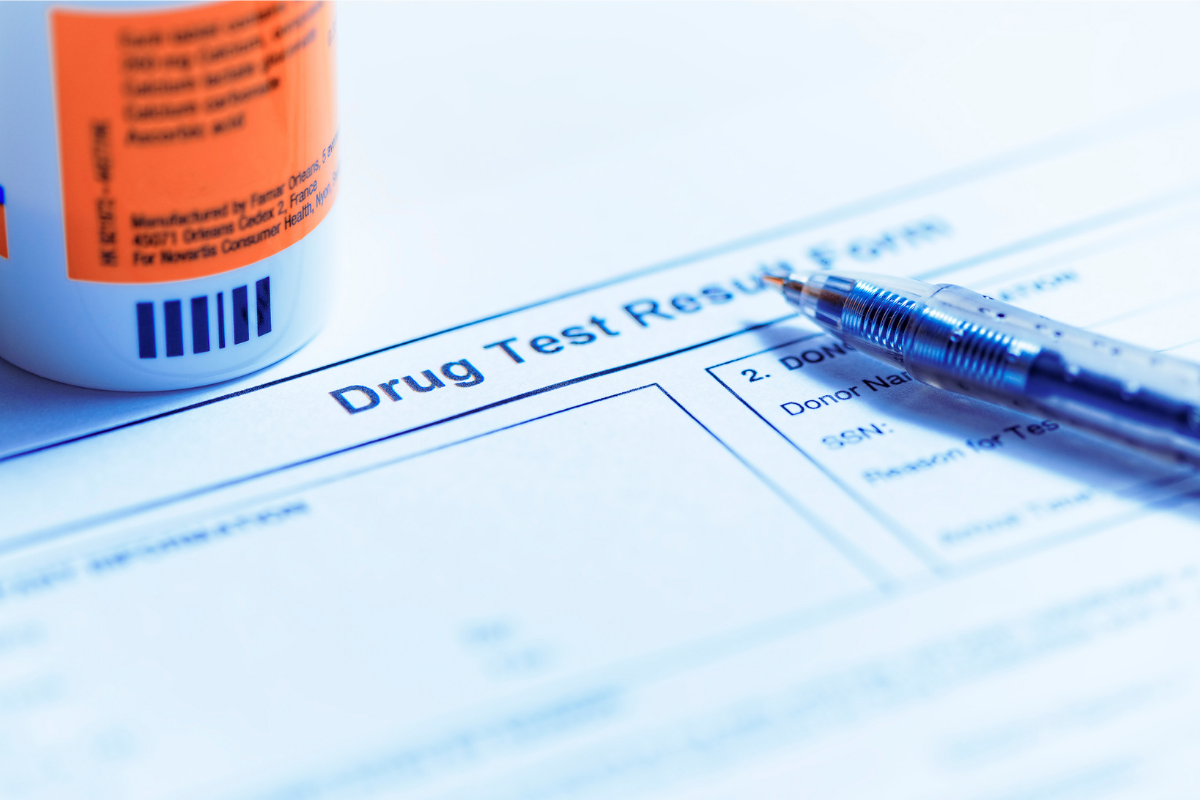
Drug and alcohol testing in the workplace is a complex area of law. Employers have a statutory obligation to maintain a safe workplace, and impairment can present a significant risk in certain work environments. At the same time, courts and labour arbitrators have made it clear that testing is not unrestricted and must be justified based on the circumstances.
Over time, a well-developed body of legal principles has emerged to guide when testing is permissible and how it should be implemented. These principles are drawn from labour and employment law, privacy law, human rights law and occupational health and safety legislation. It is important for employers to understand and correctly apply this legal framework when developing, implementing and enforcing drug and alcohol testing policies.
Safety sensitive positions
As a general rule, Canadian courts and labour arbitrators have held that drug and alcohol testing is only permissible for safety-sensitive positions. These are roles where impaired performance could reasonably result in serious injury or significant safety consequences. The justification for testing in these roles is grounded in the employer’s obligation to manage safety risks inherent in the work being performed.
Post‑incident and near miss testing
One situation where drug and alcohol testing may be permissible is following a workplace accident or near miss. Post incident testing is not automatic, and whether testing is justified depends on the specific facts of the event.
In assessing post-incident testing, decision-makers have applied a structured analysis that focuses on whether testing was reasonably required in the circumstances. In general terms, employers must be able to demonstrate both:
- A significant incident or near miss involving nontrivial injury, damage or a serious safety risk; and
- A reasonable line of inquiry supporting the need to test to rule out impairment as a contributing factor
Testing will be difficult to justify where the incident is minor, readily explainable by environmental or operational factors or where there are no objective indicators that impairment may have played a role. Employers are expected to assess the facts, gather available information and avoid default or reactive testing.
Recent decisions reinforce that post-incident testing must be tied to legitimate safety concerns and not used as a disciplinary shortcut or a general compliance measure. Each case turns on its own facts – unsupported or inconsistent testing decisions can expose employers to legal risk.
Key takeaways for employers
- Drug and alcohol testing remains a high-risk legal area requiring careful analysis
- Testing is generally limited to safety sensitive roles and defined circumstances
- Post-incident and near miss testing may be permissible, but not every incident justifies testing
- Employers must be able to demonstrate a meaningful incident and a reasonable basis for testing
Post-incident testing is only one aspect of workplace drug and alcohol testing. Other forms of testing include pre-employment/pre-placement testing, reasonable cause testing and, in very limited circumstances, random testing.
We will be addressing these issues in greater detail at Indigenous Leadership & Business: Legal Update 2026 for Saskatchewan, a full-day, in-person seminar that explores many of the legal topics that matter most to Indigenous governance and businesses, including:
- Identifying and managing impairment in the workplace
- When different forms of testing are legally permissible
- Human rights considerations, addictions and accommodation obligations; and
- Developing and implementing enforceable drug and alcohol policies
We encourage employers to attend to better understand how to protect workplace safety while minimizing legal exposure.
Note: This article is of a general nature only and is not exhaustive of all possible legal rights or remedies. In addition, laws may change over time and should be interpreted only in the context of particular circumstances such that these materials are not intended to be relied upon or taken as legal advice or opinion. Readers should consult a legal professional for specific advice in any particular situation.
Share