Federal government narrows scope of the Competition Act’s anti-greenwashing provisions as Bill C-15 receives royal assent


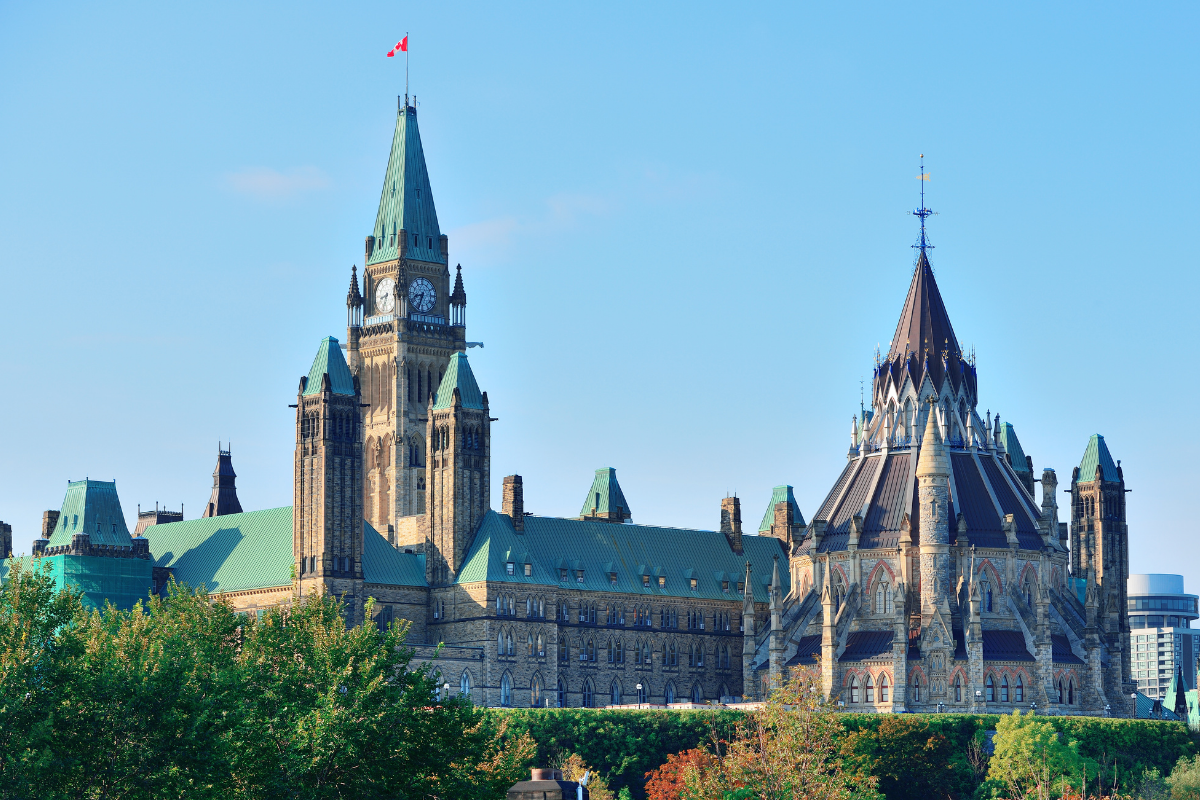
In November of 2025, the federal government introduced Bill C-15, otherwise known as the Budget Implementation Act, 2025, No. 1, to implement certain provisions of the 2025 federal budget, which included proposed amendments to narrow the scope of the “anti-greenwashing provisions” in the Competition Act as part of a broader “Climate Competitiveness Strategy.” On March 26, 2026, Bill C-15 received royal assent.
With the passage of these amendments to the Competition Act, Canadian businesses will no longer be required to substantiate claims about the environmental benefits of the business and its activities in accordance with “internationally recognized methodology,” nor will third parties have the ability to bring greenwashing complaints directly to the Competition Tribunal on the basis of environmental claims about a business or its activities.
The “anti-greenwashing provisions” and Bill C-15
As discussed in previous Insights, the Act underwent significant amendments in June of 2024 which, among other things, expanded the civil misleading advertising provisions of the Act to prohibit representations about both:
- The environmental benefits of a product or service that are not based on “adequate and proper testing”
- The environmental benefits of a business or its activities that are not based on “adequate and proper substantiation in accordance with internationally recognized methodology”
These amendments also enhanced private rights of action by allowing private parties to seek remedies from the Tribunal with respect to the deceptive marketing practices of another person or business, including complaints of greenwashing.
The implementation of these provisions – sometimes referred to colloquially as the “anti-greenwashing” provisions – has caused significant confusion for Canadian businesses, partly due to the fact that the Competition Bureau did not release any substantive guidance on compliance with the “internationally recognized methodology” requirements in the first six to 12 months following their implementation.
The federal government appeared to acknowledge the challenges presented by the anti-greenwashing provisions when it released its 2025 federal budget on November 4, 2025. In Budget 2025, the federal government outlined its intention to update the Act as part of a broader “Climate Competitiveness Strategy,” citing the “investment uncertainty” arising from the anti-greenwashing provisions as one of its primary motivations.
On November 18, 2025, after Budget 2025 passed a confidence vote in the House of Commons, Bill C-15 was proposed in order to implement certain provisions of Budget 2025, including proposed changes to the anti-greenwashing provisions of the Act.
On March 26, 2026, Bill C-15 received royal assent, thus implementing the following changes to the anti-greenwashing provisions:
- Section 74.01(2)(b) has been revised to clarify that, while claims about the environmental benefits of a business or business activity must be based on “adequate and proper substantiation,” such substantiation no longer needs to be performed “in accordance with internationally recognized methodology”
- New provisions have been added to sections 74.01 and 103.1 that will prevent private parties from obtaining leave from the Tribunal to seek remedies in respect of environmental claims about the business or business activities of another party.
What do Canadian businesses need to know?
While these amendments to the Act are certainly noteworthy, Canadian businesses should not consider the amendments to be a wholescale repealing of the “anti-greenwashing provisions.”
To be clear, the requirement that environmental claims about a business or its activities be based on “proper and adequate substantiation” has not been repealed – such substantiation simply no longer needs to accord with “internationally recognized methodology.” Further, the requirement that representations about the environmental benefits of a product or service be supported by “proper and adequate testing” has not been amended or repealed. In other words, the burden will remain on the party making the representation to prove that a representation is based on “adequate and proper” testing or substantiation, as the case may be.
Additionally, while private parties will no longer be allowed to apply directly to the Tribunal for remedies in respect of environmental claims regarding the business or business activities of another party, there is nothing in Bill C-15 that affects the ability of the Bureau to investigate and bring applications to the Tribunal in respect of such claims. Further, Bill C-15 has not amended or repealed the ability of private parties to apply to the Tribunal in respect of claims regarding the environmental benefits of a product or service.
MLT Aikins will continue to monitor any further developments as it relates to the regulation of environmental claims made by Canadian businesses and will publish further updates as new information becomes available. In the meantime, if you or your business have any questions regarding compliance with Canadian competition laws, please contact a member of our Competition Law team or your existing MLT Aikins contact.
Note: This article is of a general nature only and is not exhaustive of all possible legal rights or remedies. In addition, laws may change over time and should be interpreted only in the context of particular circumstances such that these materials are not intended to be relied upon or taken as legal advice or opinion. Readers should consult a legal professional for specific advice in any particular situation.
Share
Related Insights
The Procurement Ombud’s review of Indigenous procurement