Health Canada’s PMRA may clear a new flight path for spray drones in Canada


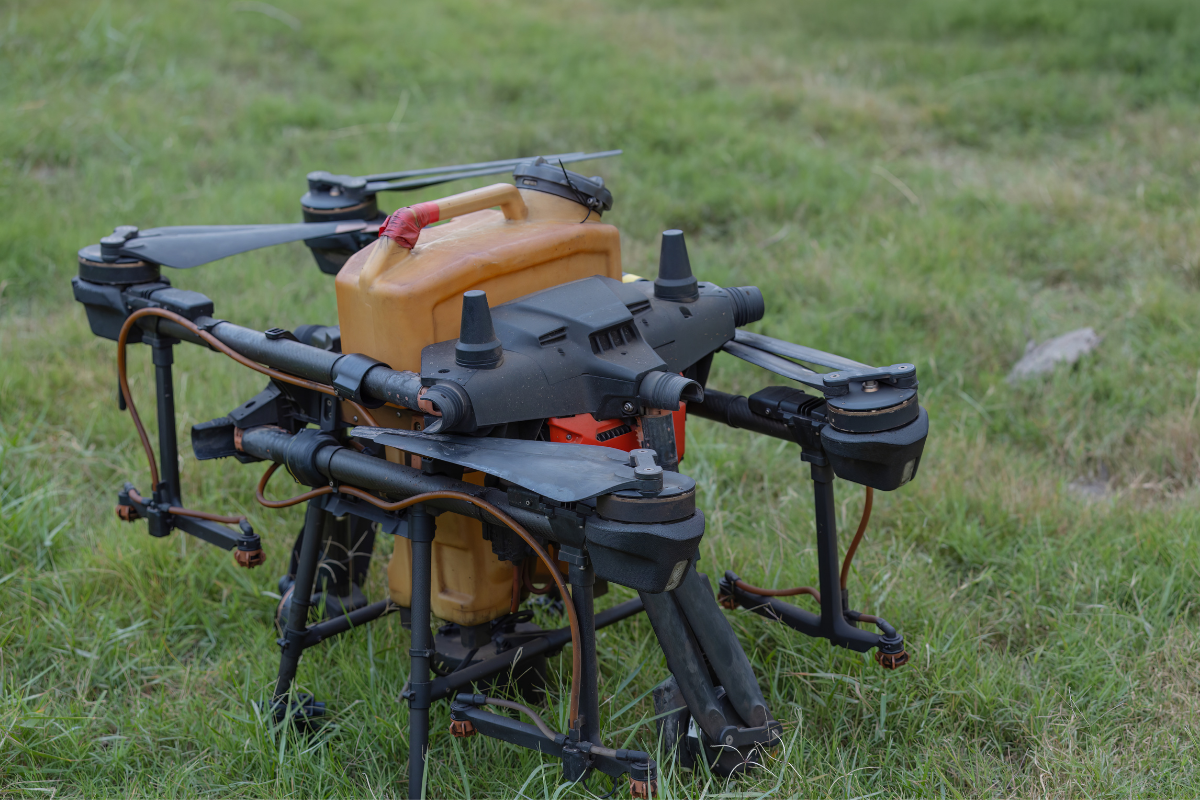
Health Canada’s Pest Management Regulatory Agency (PMRA) has released a proposal for consultation that could significantly impact the future of spray‑drone operations in Canada. The proposal would permit remotely piloted aircraft systems (RPAS) to apply pesticides already approved for conventional aerial use, provided operators follow existing aerial‑application label directions, among other things. This development follows scientific findings showing comparable health and environmental risks between drone‑based and traditional aerial application methods of pesticides.
What the PMRA is Proposing
Under the current regulatory framework, operators may only use a pesticide by drone if the label explicitly authorizes RPAS application, something that very few labels presently include. PMRA consultation PRO2026-01 proposes allowing RPAS use where a label already permits aerial application unless the registrant chooses to opt out by adding “DO NOT apply by RPAS” to the product label.
Why this matters for producers and service providers
If adopted, the PMRA proposal could remove a significant barrier to spray drone adoption imposed by current label requirements. As a result, producers and commercial operators would gain greater flexibility in managing challenging field conditions that limit the use of ground equipment. The change would also offer efficiencies for smaller or specialized fields where traditional aerial application may not be practicable.
Even if this proposal is adopted into law, drone operators remain subject to all relevant Transport Canada licensing and operational requirements for drone use, as well as provincial pesticide‑applicator certification rules.
Under the proposed new rules, compliance remains essential to protect spray drone users from liability. Because of this, integrating drone technology into agricultural operations requires a clear understanding of layered aviation and pesticide regulatory obligations. Organizations considering spray drone adoption, or preparing to comment on the consultation, should assess their compliance posture across federal and provincial regimes, evaluate operational readiness and consider potential label‑related impacts on their operations.
Next steps for industry
The PMRA consultation invites practical, field‑based feedback from growers, registrants, drone operators and ag‑technology developers. Input from the agricultural community will shape how drone application is integrated into future pesticide regulation and may influence the development of RPAS‑specific label guidance in the future.
Specifically, the PMRA is seeking feedback on whether:
- Key aerial‑use directions, such as spray volume, droplet size, buffer zones and required PPE, are feasible for drone operations in practice
- Current labels are clear, practical and enforceable for use with RPAS
- The proposed PPE and role separation approach is suitable for how drone crews operate in the field
- Current training requirements are aligned, accessible and scalable as drone operation grows
- Current buffer zone requirements appropriately balance protection and practicality for RPAS use until RPAS-specific models are finalized
- Opt-outs and restricted uses available to chemical manufacturers might practically affect product availability, planning and adoption.
This consultation marks a significant opportunity for the ag sector to influence how innovation is enabled responsibly. The PMRA is asking practical questions – and they need practical, field-based answers from growers, operators, registrants and ag-tech leaders to develop a comprehensive approach to label regulation.
Comments on the consultation close on March 25, 2026 (30 days from the February 23 publication date), click here to review and submit yours.
How we can help
MLT Aikins advises clients across the agribusiness, aviation and technology sectors on regulatory issues affecting RPAS operations, compliance and emerging ag-tech deployment. Our Aviation, Drones and Advanced Air Mobility (AAM) team can assist with understanding the PMRA proposal, Transport Canada requirements, evaluating provincial licensing obligations and developing compliant operational procedures to for spray‑drone activities.
Note: This article is of a general nature only and is not exhaustive of all possible legal rights or remedies. In addition, laws may change over time and should be interpreted only in the context of particular circumstances such that these materials are not intended to be relied upon or taken as legal advice or opinion. Readers should consult a legal professional for specific advice in any particular situation.
Share
Related Insights

Solidifying lease agreements provide clarity, certainty

Tax and estate planning toolbox needs periodic inspection