Technology trends impacting the transportation industry



Technology is no longer a standalone issue for transportation businesses. It is woven into almost every part of the supply chain, from how goods are tracked and documented to how businesses manage compliance, route planning, security and customer expectations.
Technology is also offering the industry new opportunities, particularly for small and medium enterprises (SMEs), by making tools that were once available to mainly larger enterprise organizations more accessible. Used strategically, technology can help level the playing field by improving efficiency, reducing manual work and helping businesses respond to operational pressures.
As transportation businesses look toward 2027, the challenge is not simply whether to adopt new technology. The challenge is how to implement technology in a way that supports business goals, manages risk and helps the organization remain competitive.
To do that effectively, businesses need to understand how their technology decisions affect their organization beyond just the tool itself. Technology strategy and legal risk need to be assessed together, not in silos. This evaluation must include contracts, data, insurance, privacy and cybersecurity as well as overall day-to-day operations.
Managing unregulated emerging risks
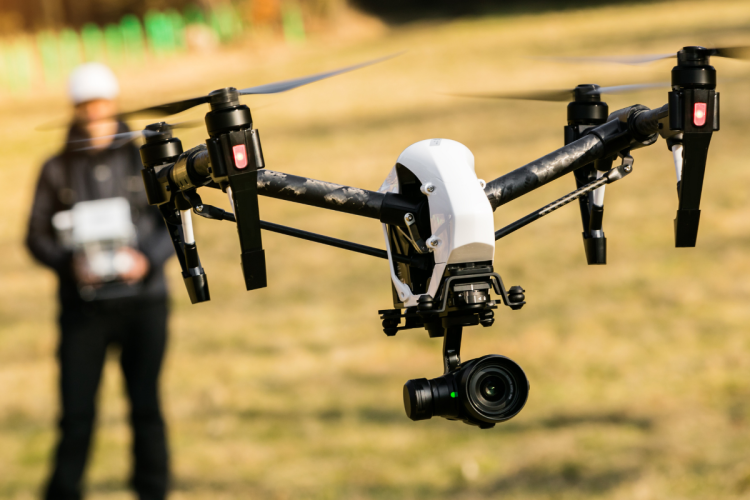
Transportation businesses are seeing new deployments of technology across the industry, including electric vehicles, autonomous vehicles, connected systems, artificial intelligence (AI), smart technology and robotics tools.
These technologies fall under the broader category of emerging risk. That term matters because the law has not fully caught up with many of these tools. In a highly regulated industry like transportation, regulatory requirements may tell businesses the lowest standard they need to meet. But that does not necessarily tell them how to manage technology strategically.
Businesses should be asking not only what they are required to do, but what they are trying to achieve. The starting point should be the organization’s strategic goals, followed by a practical assessment of how technology can help meet those goals and what risks need to be managed along the way.
That assessment is becoming more important as operational transformation accelerates. The transportation industry is moving from manual processes to real-time digital supply chains. Tracking, documentation and compliance are increasingly being handled through digital tools. AI, Internet of Things (IoT) sensors and telematics are being used to monitor cargo, routes and driver behaviour.
Businesses are also using advanced security and automation tools, including smart locks, biometrics and remote surveillance systems. Multi-layered tracking tools that use cellular, satellite and Bluetooth technology, supported by AI-driven anomaly detection, are also becoming more common.
Cyber-enabled cargo theft is one example. Data scraping, shipment targeting, GPS spoofing and system manipulation can allow bad actors to identify what is being transported, where it is going and when it will arrive. In that environment, technology can be both a protective tool and a potential vulnerability.
These tools can improve visibility and efficiency. They can also create new risks involving data collection, privacy, cyberattacks and business interruption.
Technology can be a competitive advantage
Technology creates risk, but it is also a competitive advantage. Businesses that implement technology effectively can set themselves apart from competitors and respond more effectively to industry pressures.
This is particularly important for small and medium enterprises (SMEs). Tools that were once available mainly to larger enterprise organizations are becoming more accessible. That can help SMEs process contracts, review information, automate tasks and reduce the time and labour required for work that was previously manual.
Technology may also help address issues such as driver shortages, documentation burdens and other operational challenges. But the first step is understanding where the business is being slowed down and where technology could create the most meaningful improvement.
That requires a thorough assessment of the organization’s current processes from beginning to end.
Legal complexity is increasing
As technology becomes more integrated into transportation operations, the legal issues are becoming more complex. A technology project may involve transportation law, business law, privacy, intellectual property, insurance, cybersecurity, contracts and litigation risk.
For that reason, businesses may need to move away from a siloed approach to legal advice. It may not be enough to have one adviser looking only at business law, another looking only at transportation law and another looking only at intellectual property.
Instead, businesses may need a legal “quarterback” who understands the organization’s operations at a high level and can identify when specific legal input is needed. The same applies to in-house and external legal teams. Those teams should be aligned and should approach legal issues from a broader business perspective.
A useful question for businesses to ask is: Are our legal advisers looking only at isolated issues, or are they helping us identify what we need across the organization?
Risk identification should be proactive
Technology risk should not be identified only on a project-by-project basis or after a problem arises. A proactive approach requires businesses to understand their operations from beginning to end and identify where legal, cyber, privacy, data and operational risks exist.
This means legal advisers should have a seat at the strategic table. Legal review should be built into the strategic plan and project budget, rather than being treated as an unexpected expense after the fact.
If a business is planning to implement new technology, the budget should include legal work needed to assess risk and reduce exposure. That may include reviewing contracts, privacy obligations, intellectual property, data collection, insurance policies and relationships with third-party vendors.
This is especially important because businesses often forget how much they rely on external technology platforms and vendors. Those relationships can create risk if contracts are outdated, unclear or inconsistent with the organization’s broader obligations.
Taking this broader view helps businesses assess legal risk as part of their overall strategy, rather than treating technology and contracts, insurance, intellectual property and cyber risk as separate issues.
Data management is part of risk management
One of the first steps in identifying technology risk is understanding where the business collects and stores data.
Transportation businesses collect large amounts of data. But many organizations do not have a clear understanding of why that data is being stored, where it is stored, how it is used or whether it can be used more effectively.
For example, if a business implements a surveillance program or puts cameras in a warehouse, it should consider whether there are privacy issues, data collection issues or opportunities to use the data to generate better information. The business should also consider whether automation or software could help turn that data into more useful metrics.
A data management policy can help businesses understand what data they have, why they have it and how it should be protected.
The quality of data also matters. If a business is relying on old, incomplete or unreliable data, that can affect the usefulness of the technology built on top of it. Put simply, bad data can lead to bad technology outcomes.
A comprehensive data management policy can help businesses understand what data they have, why they have it and how it should be protected. It also helps identify who has responsibility for the data, who has access and who should, and whether it can be shared with vendors or technology providers.
Cyber and AI risks require training and culture
Cyber risk is not new, but AI is changing the speed and scale of the threat. Cyber breaches that once unfolded more slowly can now happen more rapidly, with AI-driven tools running constantly and making attacks more difficult to stop.
Businesses that did not already have a strong cyber plan may now find themselves even further behind. It is not enough to have a policy sitting on a shelf. Organizations should be testing their plans, practicing tabletop exercises and training employees throughout the business.
That training matters because technology risk is not only an IT issue. It is a workplace culture issue.
Employees need to understand why one click can create serious consequences for the organization. If the business is using AI, employees need to understand where human oversight fits into the process. If an AI program produces a result, who is the human in the loop? Who reviews the output? Who is responsible for deciding whether it should be used?
Businesses often refer to this as AI governance, but at a practical level it is also about culture. A culture of innovation requires people across the organization to understand their role in managing risk.
Businesses must be clear about their position on both digital and AI governance. That means understanding what digital and AI tools are used and where, what data they rely on, who reviews their outputs and where human oversight fits into the process. This governance should also be reflected in the organization’s overall workplace culture, where people understand their role in managing risk.
Insurance needs regular review
Insurance is another important part of emerging technology risk.
As AI and other technologies become more common, insurance policies may treat those risks differently. Some policies may exclude AI use. Others may allow it. The wording can vary significantly.
For that reason, insurance should not be reviewed once and then forgotten. Businesses should check in on their policies regularly depending on the pace of change in the organization. If the policy is no longer aligned with how the business operates, the business may need to adjust.
The same approach should apply to company policies, procedures and training. As technology evolves, businesses should regularly review the documents and processes that support their operations to ensure they still reflect how the organization actually works.
Build technology risk into strategic planning
Managing technology risk starts with a basic assessment: Where is the business now, what is it doing and what are its goals?
From there, businesses can consider how technology fits into their strategic initiatives and how it can help move those initiatives forward.
Some organizations may need to deal with legacy systems, disconnected platforms or old data. Not every business can rebuild its entire infrastructure at once. But businesses can start by identifying where the bottlenecks are and considering where targeted improvements may be possible.
Layered controls are also important. Responsibility should not sit with only one person. It should flow through the organization so that people understand how their roles connect to the broader strategy.
Businesses should regularly check on external parts of their operations, including vendors and technology providers. Contracts should be reviewed to ensure they align with strategic goals, regulatory obligations and commitments made in other agreements.
This includes updating contract language. Many businesses still rely on clauses that no longer make sense in the context of modern technology risk. That can make disputes harder to resolve if something goes wrong.
Doing that work at the front end can help avoid litigation that becomes complicated because the business does not have a clear record of what it collected, what it agreed to or what it intended to do.
Keep reviewing, training and adjusting
Technology risk management is not a one-time exercise. It requires ongoing reinforcement, regular review and continued training.
Businesses should revisit their systems, contracts, policies, insurance and training regularly to ensure they are still aligned with how the organization operates. If something is not working, the business should be prepared to shift and adjust.
Organizations that treat legal risk as part of operational strategy, rather than an afterthought, will be better positioned to remain resilient and competitive. For transportation businesses, that means translating technology trends into action through contracts, processes, data management, training and strategic planning.
The goal is not just to manage legal risk but to build a stronger supply chain.
Note: This article is of a general nature only and is not exhaustive of all possible legal rights or remedies. In addition, laws may change over time and should be interpreted only in the context of particular circumstances such that these materials are not intended to be relied upon or taken as legal advice or opinion. Readers should consult a legal professional for specific advice in any particular situation.
Share
Related Insights