Canada’s nuclear regulatory framework: Why it matters now more than ever



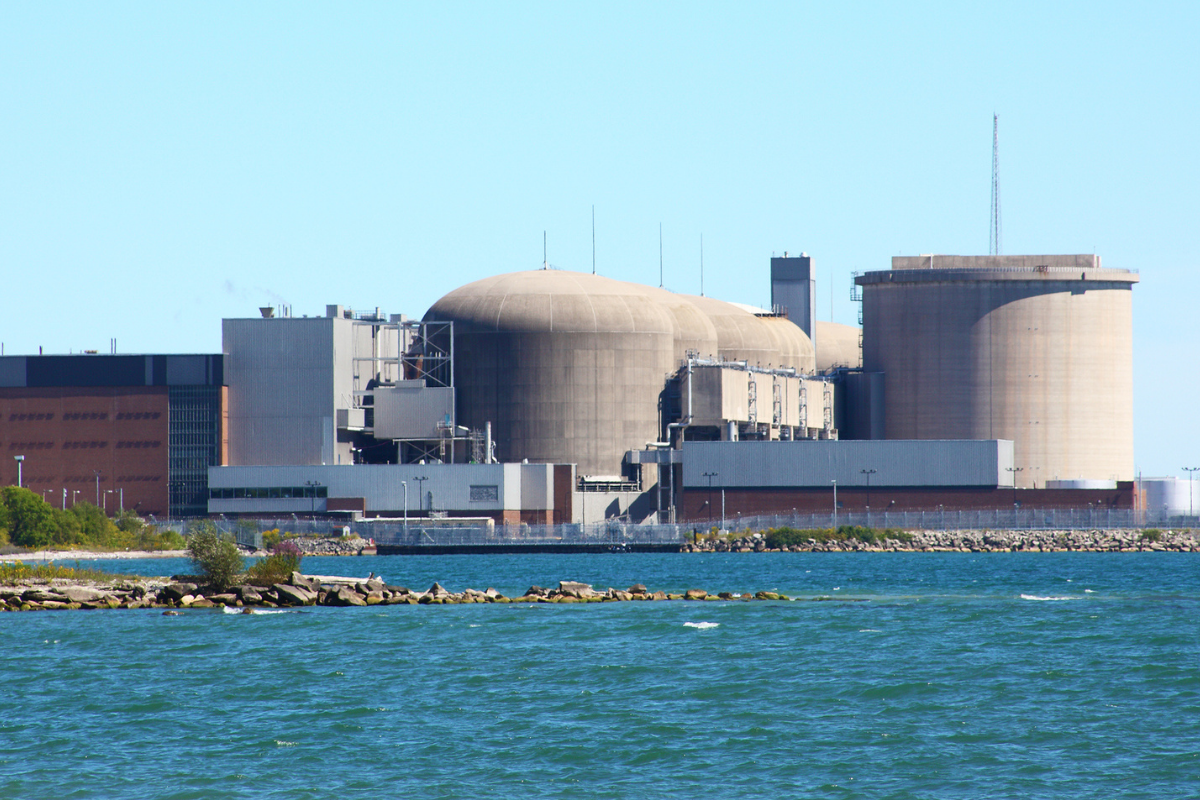
As Canada embarks on a renewed era of nuclear development, from SMRs to advanced reactor designs, the strength of its regulatory regime has never been more critical. A clear, transparent and consistent regulatory framework not only supports safety and public confidence but also helps convert ambition into delivery.
On November 2025, MLT Aikins LLP co-published a report “Delivering the Future of Nuclear in Western Canada” with the University of Calgary and International Nuclear Law Association. Over the coming months, we will be publishing articles, such as this one, to highlight content set out in that report. The full report is available for free download now.
A foundation built on law
Canada’s nuclear regulatory framework is among the most robust and transparent in the world. It has evolved over decades to reflect international best practices, scientific advancements and a deep commitment to public and environmental safety. This respected regulatory foundation has also allowed Canada to contribute meaningfully to the global nuclear governance regime.
The federal government’s authority to regulate nuclear energy is grounded in two key constitutional principles.
- Under Section 91 of the Constitution Act, 1867, the federal government holds powers for the “Peace, Order and Good Government” of Canada. As nuclear technology did not exist in 1867, it falls under this general head of power.
- Under Section 92(10)(c), Parliament may declare certain local works or undertakings to be for the general advantage of Canada. Section 71 of the Nuclear Safety and Control Act (NSCA or “the Act”) uses this declaratory power to assert federal jurisdiction over nuclear substances, prescribed equipment and related activities.
This constitutional framework gives the federal government the authority to create, enforce and update legislation and regulations for nuclear energy, ensuring consistency and alignment with global non-proliferation and safety standards. These powers also support Canada’s ability to uphold its obligations under international treaties, such as the Convention on Nuclear Safety and the Convention on the Safety of Spent Fuel Management and Radioactive Waste Management.
A lifecycle approach – From cradle to legacy
Canada takes a lifecycle approach to nuclear regulation – governing every stage of a nuclear facility’s existence, from initial site preparation through construction, operation, decommissioning and eventual release from regulatory oversight. Each stage requires a distinct licence, and no stage can proceed without regulatory approval. This staged, lifecycle model allows for ongoing oversight, transparency and public involvement at each step.
The regulator, the Canadian Nuclear Safety Commission (CNSC or “the Commission”), applies this model consistently across different types of nuclear facilities and activities, including uranium mines and mills, power reactors, research reactors, waste management facilities and the use of nuclear substances in medicine and industry.
Rules, regulations and real guidance
Nuclear regulation in Canada operates under a hierarchical legal framework. At the top is the Nuclear Safety and Control Act, which establishes the CNSC and sets out the Commission’s powers, functions and responsibilities.
Beneath this are 13 sets of regulations that provide more detailed legal requirements, such as the General Nuclear Safety and Control Regulations, Radiation Protection Regulations and Uranium Mines and Mills Regulations.
Below the regulations are regulatory documents (REGDOCs), which provide additional clarity and guidance. These documents explain how regulated entities can comply with legal requirements. While not law themselves, REGDOCs often become part of the licensing basis for nuclear projects, making their provisions enforceable.
Licensing, oversight and accountability
Licensing is a fundamental aspect of Canada’s nuclear regulatory system. It is through licensing that the CNSC ensures only qualified applicants are permitted to engage in nuclear-related activities. Licences are tailored to the nature and scope of each activity, with conditions that reflect safety, environmental protection and security objectives. The Commission has wide discretion to impose conditions and to amend, suspend or revoke licences as necessary.
Licensing decisions are informed by technical assessments, public and Indigenous consultation and often environmental impact assessments. The CNSC is also empowered to impose compliance measures and enforce conditions through inspections, orders and administrative monetary penalties.
Transparency and public participation as core principles
Transparency is a cornerstone of Canada’s nuclear regulatory regime. Most CNSC proceedings are public, and the Commission actively encourages public and Indigenous participation. Hearings are webcast and archived online, and the CNSC offers participant funding to support meaningful involvement in its processes.
Applicants must disclose relevant information, and regulatory decisions are explained in publicly available documents. The CNSC is also mandated by law to share objective scientific and technical information with the public, further strengthening accountability.
Jurisdictional coordination and global engagement
While nuclear regulation is a federal responsibility, effective coordination with provinces and territories is essential. Provincial authorities often play a role in areas such as emergency preparedness, environmental protection and occupational health and safety. In cases where both federal and provincial approvals are required, the CNSC coordinates with other regulators to minimize duplication and ensure consistency.
Moreover, the CNSC regularly collaborates with international regulators and agencies to share knowledge, align with best practices and contribute to the development of global nuclear safety standards.
Why Canada’s regulatory framework is key for the future
Canada’s nuclear regulatory system is built on a strong legal foundation, guided by science, informed by international standards and committed to public trust. Through a combination of legislative authority, regulatory rigour, licensing oversight and meaningful public engagement, Canada continues to uphold high standards of nuclear safety and environmental stewardship.
The decisions made today – on licensing, regulation, public engagement, Indigenous consultations, fuel supply and waste management – will shape Canada’s role in global nuclear leadership for decades.
Learn more about Canada’s nuclear regulatory system and the legal and policy issues underpinning Canada’s nuclear future in our report Delivering the Future of Nuclear in Western Canada, available here for free download.
Note: This article is of a general nature only and is not exhaustive of all possible legal rights or remedies. In addition, laws may change over time and should be interpreted only in the context of particular circumstances such that these materials are not intended to be relied upon or taken as legal advice or opinion. Readers should consult a legal professional for specific advice in any particular situation.
Share
Related Insights


B.C. Funding Available For Companies Operating in the Zero-Emission Vehicle Sector