Keeping the farm in the (extended) family: Budget 2026 and the expansion of the farm property rollover rules


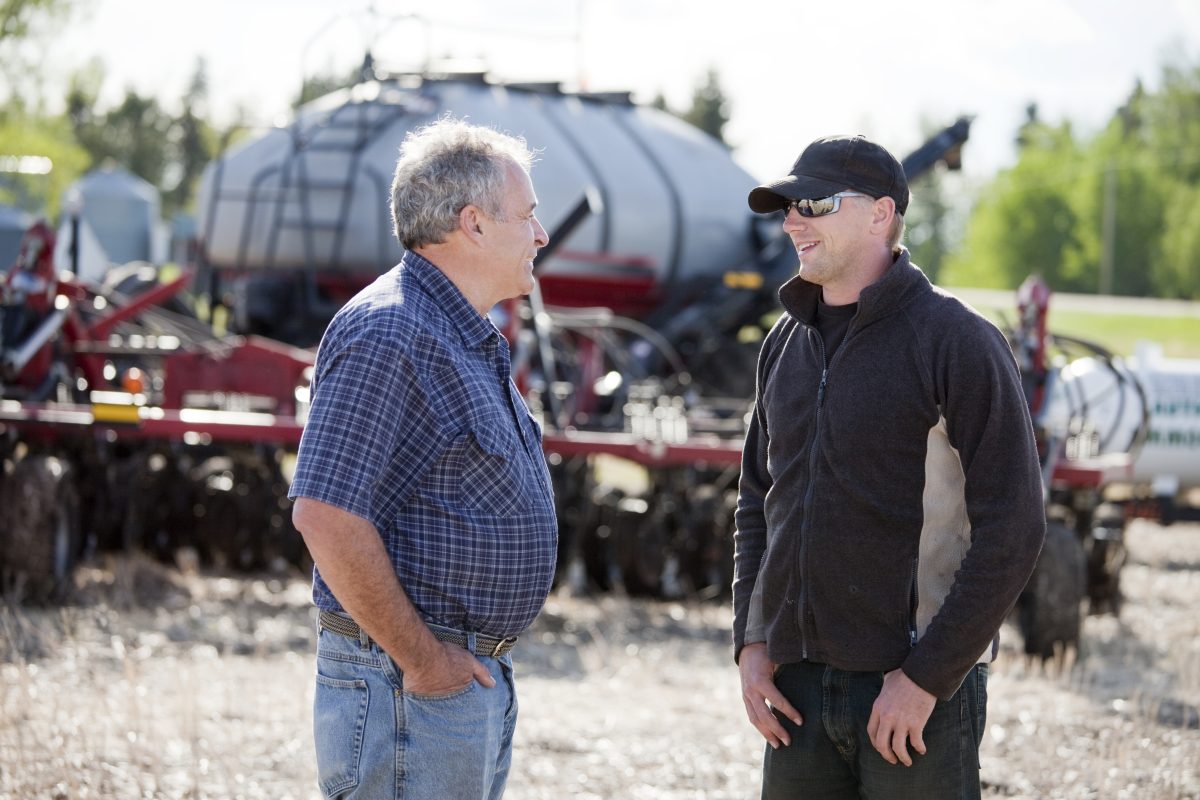
On November 5, 2026, the Government of Canada released Budget 2026–Masters of Our Destiny and among the measures of interest to the agricultural sector is a proposed expansion of the rules for the intergenerational rollover of farm or fishing property. If enacted, farmers will be able to transfer qualified farm or fishing property on a tax-deferred basis to their nieces and nephews, or spouses or children of their nieces and nephews.
For many farm families, the next generation is not a child or grandchild. With the ever-changing agricultural landscape, we are seeing more families with successors outside of their immediate family. These proposed changes will give many farm families welcome flexibility to help them keep the farm in the family.
The existing rules
Under the Income Tax Act (Canada) (the “Act”), a transfer of property is typically treated as a sale at fair market value, resulting in taxation of any capital gains accrued on the property since it was acquired, unless a specific rule permits the tax to be deferred. The farm or fishing property rollover is one such exception.
The rollover allows certain qualified farm or fishing property to be transferred during the transferor’s lifetime or upon death, for a value that is less than fair market value (including an outright gift), which results in the deferral of some or all of the tax that would otherwise be payable in respect of accrued capital gains.
The farm or fishing property rollover only defers tax; it does not eliminate it. If the person who receives the transferred property subsequently sells it, or the property ceases to qualify for the rollover in their hands, the accrued capital gains would be taxable.
Property that can qualify for the rollover includes:
- farm or fishing real property, such as land and buildings affixed to land
- shares of a family farm or fishing corporation
- interests in a family farm or fishing partnership
Eligible property must also satisfy historical use tests in order to qualify for the rollover.
Until now, the rollover has been available only to a “child” of the transferor. In addition to the transferor’s own children (which includes adopted children and the spouse or common-law partner of a child), the Act extends the meaning of “child” for the purposes of the farm or fishing property rollover to include:
- a grandchild of the transferor
- a great-grandchild of the transferor
- a person who was a child of the transferor immediately before the death of that person’s spouse or common-law partner (for example, a widowed son-in-law or daughter-in-law)
- a person who, at any time before turning 19, was wholly dependent on the transferor for support and in the transferor’s custody and control at that time
Gifting or transferring farming assets for less than fair market value without meeting these requirements would prevent the rollover from applying to the transfer. In succession planning scenarios, this can trigger substantial tax liability and jeopardize the succession plan, if business assets must be sold to generate the cash necessary to pay the tax resulting from the transfer.
What is changing
Budget 2026 proposes to extend the rollover so that qualifying farm and fishing property can be transferred on a tax-deferred basis to a niece or nephew, the spouse of a niece or nephew or the child of a niece or nephew of the transferor.
This proposal considerably broadens the availability of these rules, opening up new options for succession and estate planning. In practical terms, this means a farmer without children who wish to farm, or who has no children at all, can now plan to gift or sell qualifying farm assets to a niece or nephew at a “family discount” without triggering an immediate tax bill on the transfer.
If the draft legislation is passed in the same form as released with Budget 2026, the new rules would apply to transfers of property taking place on or after January 1, 2027.
What is not changing
It is important to note that the proposed change relates to the rollover rules only and does not impact the rules for qualifying for the lifetime capital gains exemption (LCGE) for farm or fishing property.
To qualify for the LCGE, one of the requirements is that farm property must have been used in a farming business which involves specified individuals, including the owner or the owner’s spouse, common-law partner, children or parents. Nieces and nephews are not on that list. As a result, the use of farm property by a niece or nephew is still not a qualifying use for LCGE purposes. This distinction matters when planning because if a niece or nephew is farming land owned by an aunt or uncle, that use will not help the land qualify for the LCGE when it is later sold or transferred.
Similarly, the updates to the rollover rules do not impact the requirements that must be met for a certain tax-deferred corporate reorganizations, including separating a single corporation into separate corporations (sometimes referred to as a “butterfly” transaction).
In light of these technical complexities, families should ensure they obtain professional tax and estate planning advice before implementing a farm succession plan.
Key takeaways
- Budget 2026 proposes to allow tax-deferred transfers of farm and fishing property to nieces and nephews.
- Farming by a niece or nephew is still not a qualifying use for the lifetime capital gains exemption or the “butterfly” rules that apply to certain corporate reorganizations.
- The measure is a proposal and is not yet law. Families should watch for its enactment but not rely on it for planning purposes just yet.
- Existing succession plans, wills and shareholder or partnership agreements should be reviewed if the proposed change is enacted.
How we can help
The MLT Aikins Agribusiness & Food industry group regularly advises agricultural clients on succession planning, estate planning and intergenerational transfers. If you have questions about how the proposed changes may affect your plans, please contact a member of our team.
This article provides general information only and does not constitute legal or tax advice. The Budget 2026 measures described are proposals and may change before enactment.
Note: This article is of a general nature only and is not exhaustive of all possible legal rights or remedies. In addition, laws may change over time and should be interpreted only in the context of particular circumstances such that these materials are not intended to be relied upon or taken as legal advice or opinion. Readers should consult a legal professional for specific advice in any particular situation.
Share
Related Insights

Joint ventures: Practical with tax advantages for succession planning

New tax credit gives a boost to Alberta’s agricultural industry