Amendments streamline project list under Impact Assessment Act

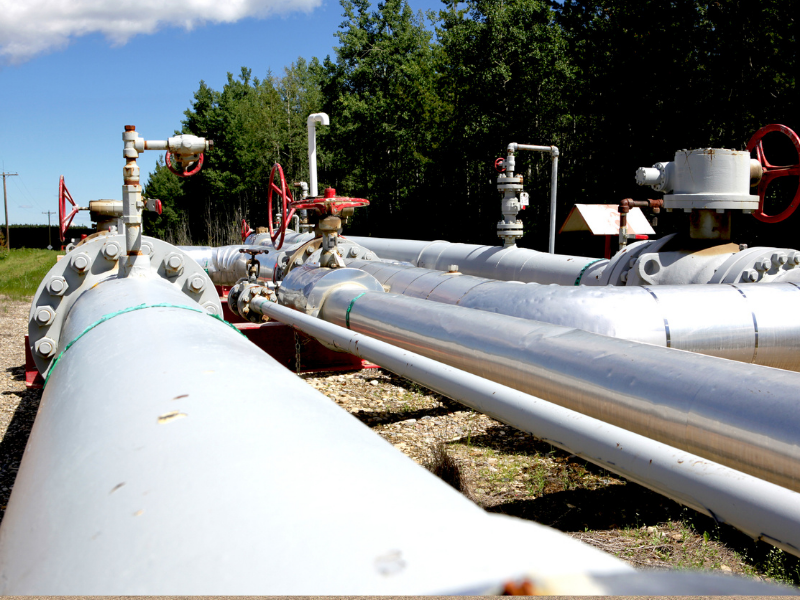
Following recent changes to the environmental review process for major projects, the Government of Canada has amended the Physical Activities Regulations (Regulations) under the Impact Assessment Act (IAA). The amendments are intended to simplify the review process for interprovincial pipelines and to align the Regulations with amendments to the IAA made in 2024.
The Regulations designate project types that are subject to review under the IAA. The amendments remove the following project types:
- International and interprovincial pipelines
- International and interprovincial electrical transmission lines
- Offshore renewable projects regulated under the Canadian Energy Regulator Act (CERA)
- Certain oil and gas pipelines and facilities regulated under CERA
- Certain in situ oil sands extraction facilities
- Fossil fuel-fired power generating facilities
The Canada Energy Regulator will now be responsible for reviewing international and interprovincial pipelines and certain other projects regulated under CERA. Under the previous framework, these projects were subject to an integrated review panel under the IAA.
In situ oil sands extraction facilities and fossil fuel-fired generating facilities were removed to align with the 2024 amendments to the IAA, which followed the Supreme Court of Canada’s decision that the majority of the IAA was unconstitutional. For more on the Supreme Court’s decision, see our previous Insight. The Government states that these projects have limited potential to cause “adverse effects within federal jurisdiction” under the amended definition in the IAA, which requires non-negligible adverse changes to areas within Federal jurisdiction. These projects will continue to be subject to applicable Provincial environmental processes and Federal permitting requirements.
MLT Aikins is continuing to monitor changes to Federal project review legislation. We regularly advise clients on navigating Federal and Provincial project-based permitting and environmental assessments processes. For assistance, contact one of the authors or a member of our Environmental practice area.
Note: This article is of a general nature only and is not exhaustive of all possible legal rights or remedies. In addition, laws may change over time and should be interpreted only in the context of particular circumstances such that these materials are not intended to be relied upon or taken as legal advice or opinion. Readers should consult a legal professional for specific advice in any particular situation.